Injury Prevention in BJJ: The Ultimate Guide to Longevity on the Mats
In the world of martial arts, consistency is the key to mastery. However, you cannot be consistent if you are sidelined by injuries. Brazilian Jiu-Jitsu (BJJ) is a physically demanding sport that involves high-intensity grappling, complex joint manipulations, and dynamic movements. For practitioners at Gracie Barra Lutz, staying healthy is just as important as learning the latest sweep or submission.
Whether you are a hobbyist looking for fitness and self-defense or an aspiring competitor, your goal should be longevity. This guide provides a comprehensive look at how to prevent injuries, manage your body, and ensure you can train for decades to come. By following these principles in the Lutz community, you turn the “gentle art” into a sustainable lifestyle.
BRAZILIAN JIU JITSU IN LUTZ
1. The Power of a Proper Warm-Up
Injuries often happen when cold muscles are suddenly subjected to explosive force. A proper warm-up increases your core temperature, improves joint lubrication, and prepares your nervous system for the demands of grappling.
Dynamic Stretching vs. Static Stretching
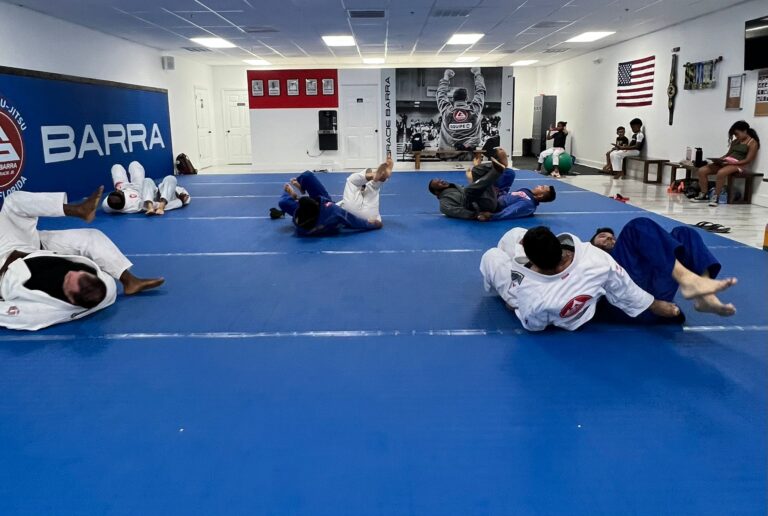
At our Jiu Jitsu gym in Lutz, we focus on dynamic movements that mimic BJJ actions.
BJJ-Specific Drills: Movements like shrimping, bridging, and technical stand-ups serve as both a warm-up and a fundamental skill builder.
Avoid Cold Static Stretching: Holding deep stretches before class can actually decrease muscle power and increase the risk of strains. Save the static stretching for after class when your body is warm.
Joint Mobilization: Pay special attention to your neck, shoulders, and lower back. These areas bear a lot of weight during rolls and need to be fully “awake” before you start sparring.
2. Leave Your Ego at the Door: Tap Early and Often
The most common cause of significant injury in BJJ is not the technique itself, but the refusal to surrender to it. The “tap” is your best friend and your primary safety mechanism.
The Dangers of the “Ego-Roll”
One of the most frequent beginner mistakes in BJJ is trying to “muscle” out of a fully locked submission.
Joint Locks: If an armbar or heel hook is locked in, don’t wait for the pain to start. By the time it hurts, the damage to the ligament or tendon is often already done.
Chokes: While chokes are generally safer than joint locks, refusing to tap can lead to unnecessary loss of consciousness and a hard fall.
Reset and Learn: Tapping is not a failure; it is a reset. It allows you to analyze why you got caught and prevents you from spending months in physical therapy. Mastering this mindset is essential for your blue belt journey and beyond.
3. Choose Your Training Partners Wisely
Your choice of training partners has a massive impact on your safety. BJJ is a cooperative learning process.
Seek Controlled Partners: Look for partners who prioritize technique over brute force. Training with higher belts is often safer for beginners because they have the control necessary to apply techniques without hurting you.
Communicate: If you have a pre-existing injury, tell your partner before the roll starts. A good partner will respect your boundaries.
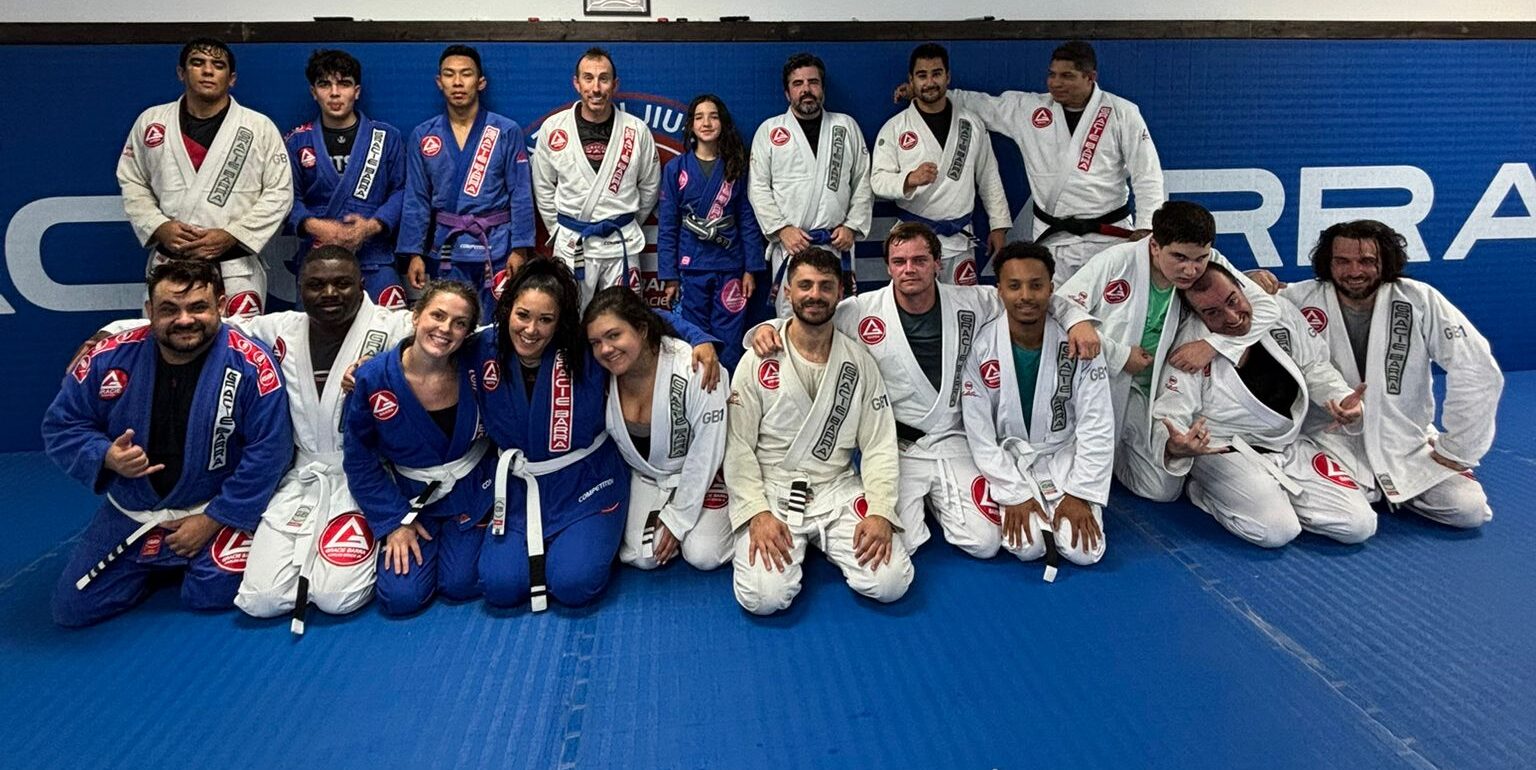
Adhere to Etiquette: Following the BJJ mat etiquette rules creates a culture of mutual respect. When everyone respects the “gentle” nature of the art, the injury rate drops significantly for the entire Lutz academy.
4. Master the Art of the Breakfall
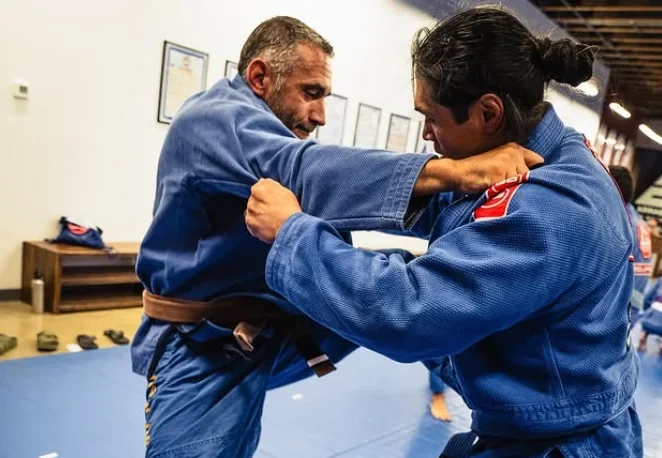
Many BJJ injuries occur during the transition from standing to the ground. If you are afraid of the floor, you are more likely to stiffen up and reach out with your arms, leading to wrist or shoulder injuries.
Ukemi Skills: Mastering the art of falling safely is a prerequisite for longevity. You must learn to tuck your chin and dissipate the force of the impact through your limbs rather than your joints.
Don’t Fight the Takedown in Practice: In a casual sparring session, if your opponent has a deep entry on a double-leg or a throw, sometimes the safest option is to accept the takedown and work on your guard retention rather than resisting with 100% force and landing awkwardly.
5. Strength and Conditioning for Resilience
A strong body is a more resilient body. While improving your BJJ stamina is important, you should also focus on structural integrity.
Core Stability: A strong core protects your spine during awkward twists and heavy pressure.
Posterior Chain: Exercises like deadlifts, squats, and kettlebell swings build the muscles around your hips and lower back, which are often under stress in BJJ.
Neck Strength: BJJ places a lot of demand on the neck (front headlocks, triangles). Specific neck strengthening exercises can prevent “stingers” and long-term cervical issues.
Mobility over Flexibility: While being flexible is nice, having active control over your range of motion (mobility) is what prevents injury when your limbs are placed in extreme positions.
6. Nutrition, Hydration, and Sleep
Your body heals when you are off the mats. If you neglect your recovery, micro-tears and inflammation will accumulate until they become a major injury.
Hydration: Dehydrated muscles and fascia are more prone to tearing. Drink water consistently throughout the day, not just during class.
The “Rest” in Recovery: Sleep is when the body produces growth hormone and repairs tissue. Aim for 7-9 hours of sleep, especially after intense training days at our Lutz location.
Anti-Inflammatory Diet: Consuming whole foods, healthy fats (Omega-3s), and avoiding excessive sugar helps manage the natural inflammation that comes with grappling.
7. Listen to Your Body
There is a big difference between “hurt” and “injured.” Learning to distinguish between the two is a skill every veteran practitioner possesses.
Micro-Adjust Your Training: If your elbow is feeling sore, maybe skip the “all-out” competition rounds and focus on light technical drilling.
The Danger of Overtraining: If you feel chronically fatigued, your reaction times will slow down, and your muscles will lose their ability to stabilize your joints. This is when the most preventable injuries occur. Don’t be afraid to take a rest day to ensure you can train the next week.
8. Hygiene: Preventing Non-Physical Injuries
In BJJ, “injuries” aren’t just orthopedic. Skin infections like staph or ringworm can sideline you just as effectively as a sprained ankle.
Clean Gear: Wash your Gi and rash guards after every class. Never reuse a sweaty uniform.
Shower Immediately: Don’t wait until you get home if your gym has showers. Use defense soap or antifungal body wash to remove mat bacteria immediately after training.
Trim Your Nails: Long nails are “scratches” waiting to happen, and scratches are entry points for bacteria. Following these basic beginner rules protects the entire community.

Longevity is the Ultimate Goal in Lutz
Brazilian Jiu-Jitsu is a marathon, not a sprint. The person who becomes a black belt is often simply the person who stayed healthy enough to keep showing up. By prioritizing your warm-ups, mastering your breakfalls, and cultivating a culture of respect at Gracie Barra Lutz, you ensure that the mats remain a place of growth rather than a place of pain.
BRAZILIAN JIU JITSU IN LUTZ
Invest in your body today so you can roll tomorrow. Respect the tap, respect your partner, and respect the process.
Ready to start your journey the right way? Visit our official website today to see our class schedule and join the most professional BJJ environment in Lutz, FL. Let’s build your skills and your health together!